
Welcome to the Local Fuel Network
Powering Local Economies with Bio‑CNG
For decades, the “fuel station” has been synonymous with global oil giants. Now, a Local Fuel Network is emerging across the British countryside, reshaping how fuel is produced and supplied. As traditional biogas tariffs wind down, forward‑thinking Anaerobic Digestion (AD) operators are stepping into a new role – becoming Local Fuel Producers.
By upgrading biogas into vehicle‑grade Bio‑CNG, AD plants are no longer just exporting electricity to the grid. They are becoming the heartbeat of a local, circular energy ecosystem – one that strengthens rural economies and helps small businesses compete on a global stage.
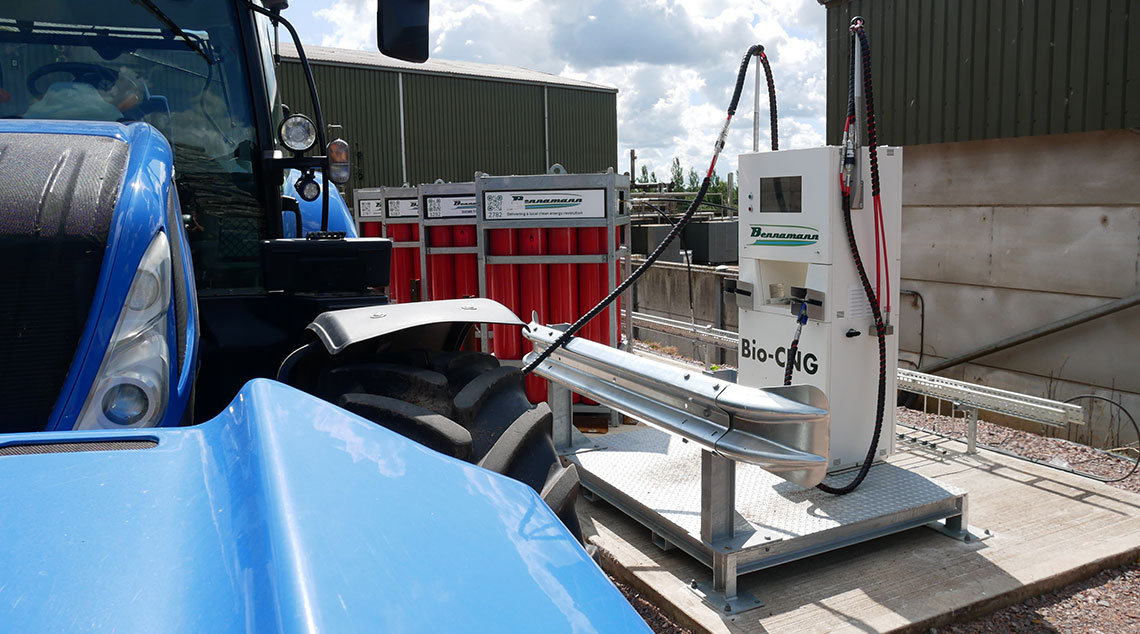
The New Infrastructure: Local Fuel for Local Fleets
Imagine a local flower grower trying to secure a contract with a major supermarket chain. The challenge? The supermarket’s strict Scope 3 carbon requirements. To win the work, she must dramatically cut her delivery emissions.
In the old model, an electric van might be too expensive or lack the range for rural routes. In the new model, she drives her CNG‑powered van to the local AD plant – her access to the local fuel network. She fills up with vehicle‑grade Bio‑CNG produced just miles from her farm, instantly cutting her emissions by around 90%.
This isn’t just a green choice. It’s a competitive advantage. By using locally produced Bio‑CNG, she meets the supermarket’s carbon mandates at a fraction of the cost of diesel, levelling the playing field between small producers and industrial giants.

Building a Network
With trials underway, Bennamann is on a mission to create a nationwide Bio-CNG network that supports transport fleets, commercial businesses, and rural communities. More AD operators are recognising the strategic value of their off-grid locations – both as a community asset and a new revenue stream.
The Bennamann Ecosystem connects fleets with AD sites, building demand for the fuel that is waiting to be made using Bennamann’s CAPCH4 biogas‑to‑biomethane system.
Tasked with brokering these connections and facilitating gas off-take agreements is Shaune Walsh, Senior Sales Manager at Bennamann:
“I’m focused on building out the Bio‑CNG refuelling network by bringing AD operators and fleet operators together. As more AD sites look to put Bio‑CNG into the market, I make sure the local fleets are ready to use it – cutting transport emissions, lowering fuel costs, and speeding up biomethane adoption across the UK and Ireland.”
From Thurso to Torquay, and Wadebridge to Woodbridge, the momentum is building. By replacing fossil CNG with Bio‑CNG, and switching diesel vehicles with gas-powered alternatives, the journey toward Net Zero and energy independence accelerates.
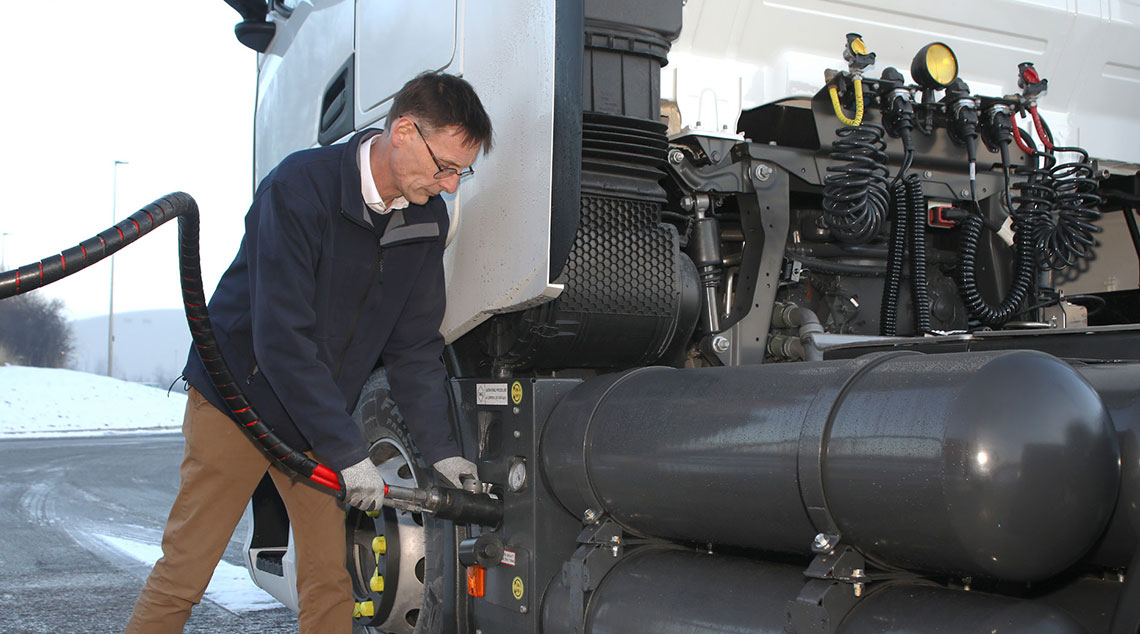
Closing the Loop
Creating the Bennamann Ecosystem links producers and consumers in a way that benefits everyone:
- For the AD Operator: A high‑value, stable revenue stream that isn’t dependent on government policy.
- For the Local Fleet: Cheaper, cleaner, locally sourced fuel that protects them from volatile diesel prices.
- For the Community: Lower CO₂ emissions and lower NOx emissions which is better than diesel.
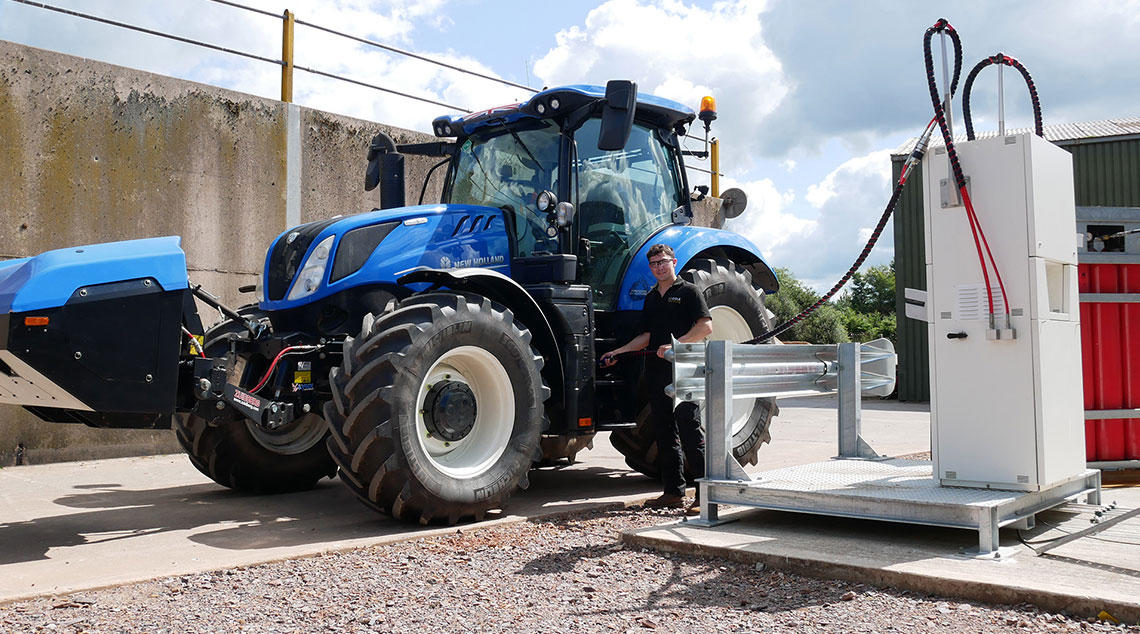
A Seat at the Table
Industry commentators have long argued that rural resilience depends on “adding value at the farm gate,” meaning operators must capture more value from what they already produce. By upgrading biogas into Bio‑CNG, AD operators aren’t just surviving the end of tariffs; they are building the infrastructure that will power the next generation of local commerce.
At Bennamann, we provide the technology that makes this transition possible. We help connect AD plants to the local fuel network, ensuring that the energy produced in the community stays in the community – powering everything from the local florist’s van to the supermarket’s delivery fleet.
The future isn’t just renewable, it’s local.
Get in touch with Shaune if you have a fleet that could benefit from the availability of locally produced vehicle grade Bio-CNG.