
Why waste is worth more

Ben Cutts
Chief Commercial Officer, Bennamann
Ben connects Bio-CNG technology with the practical needs of customers across the value chain. With experience in renewable fuel markets, he focuses on delivering value for both producers and end users by aligning technical solutions with commercial and market opportunities.
Why waste is worth more
The Commercial Case for Circular Biomethane
In the race toward Net Zero, not all biogas is created equal.
As the Anaerobic Digestion (AD) industry evolves, two broad approaches are incumbent: the “Circular Waste” model and the “Energy Crop” model. While both contribute to renewable energy production, they serve different roles within the market. At Bennamann, we see significant financial and environmental opportunities in unlocking greater value from waste streams.
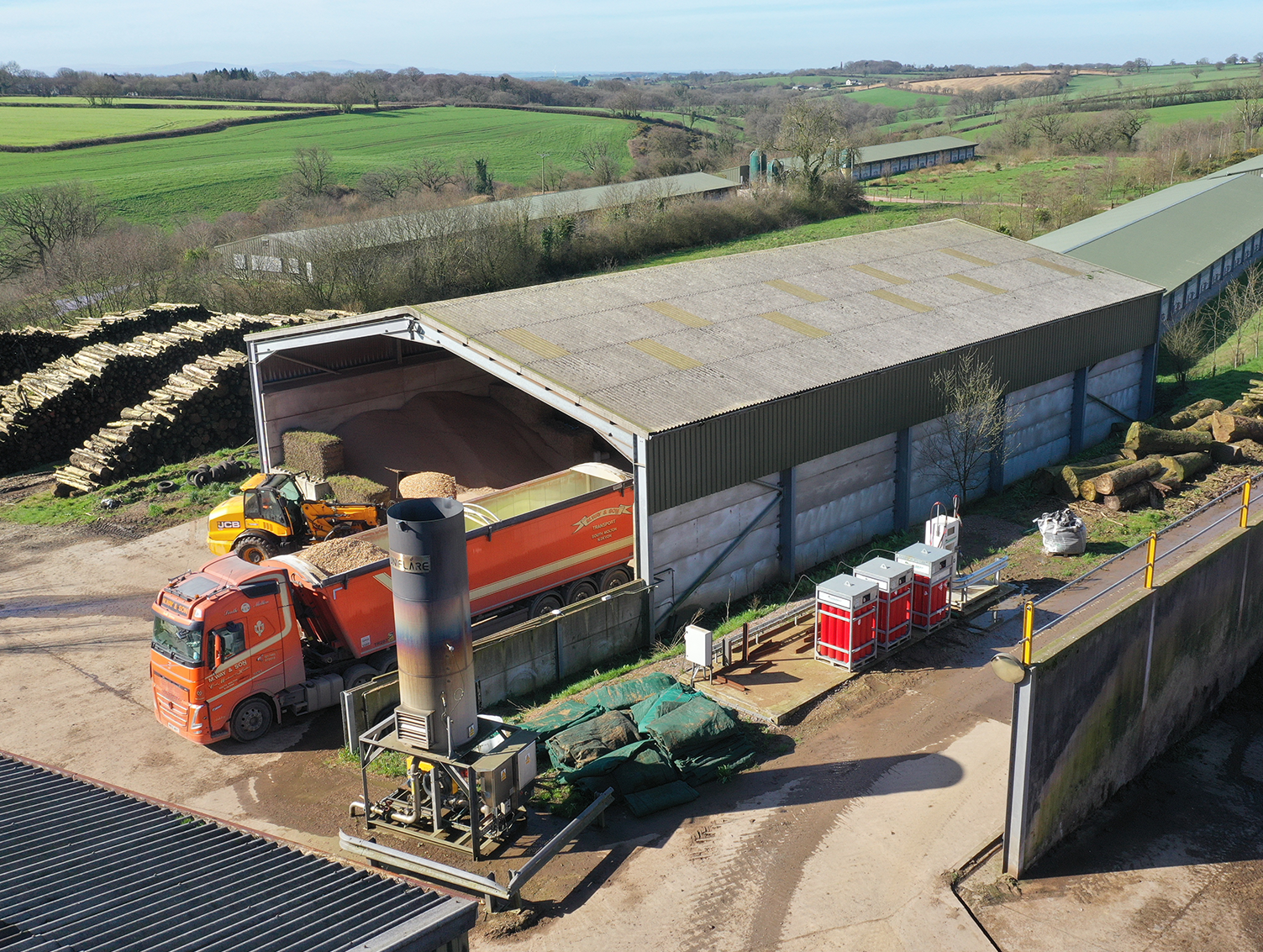
Incentivising the Right Behaviour: The RTFC Advantage
The UK Government’s Renewable Transport Fuel Obligation (RTFO) is designed to reward the most sustainable practices, issuing tradable Renewable Transport Fuel Certificates (RTFCs) based largely on feedstock type. From a commercial perspective, this creates a tiered market where waste-derived gas is a premium product.
- Waste and Residues (Food Waste, Slurry, Manure): These feedstocks qualify for double counting rewards. Because they mitigate methane emissions from manure storage while displacing fossil fuels, they earn two RTFCs per litre equivalent. This effectively doubles the subsidy revenue compared to crop-based fuels.
- Energy Crops: Crop-based feedstocks earn fewer RTFCs than waste-derived biomethane and are subject to RTFO crop caps. This creates greater long-term regulatory and sustainability risk compared with waste- and residue-based projects.
Carbon Intensity: The Competitive Edge
The commercial value of biomethane is increasingly tied to its Carbon Intensity (CI) score. Major logistics fleets and industrial end-users are no longer just buying “renewable” gas; they are buying the lowest CI score possible to meet their ESG targets.
Manure-based biomethane can achieve very low and in some cases negative CI scores, as the process captures methane emissions that would otherwise escape into the atmosphere. This can give it a stronger greenhouse gas reduction profile than crop-based pathways. In markets where corporate buyers value deeper decarbonisation, waste-derived Bio-CNG may therefore attract a premium relative to conventional renewable fuel alternatives.
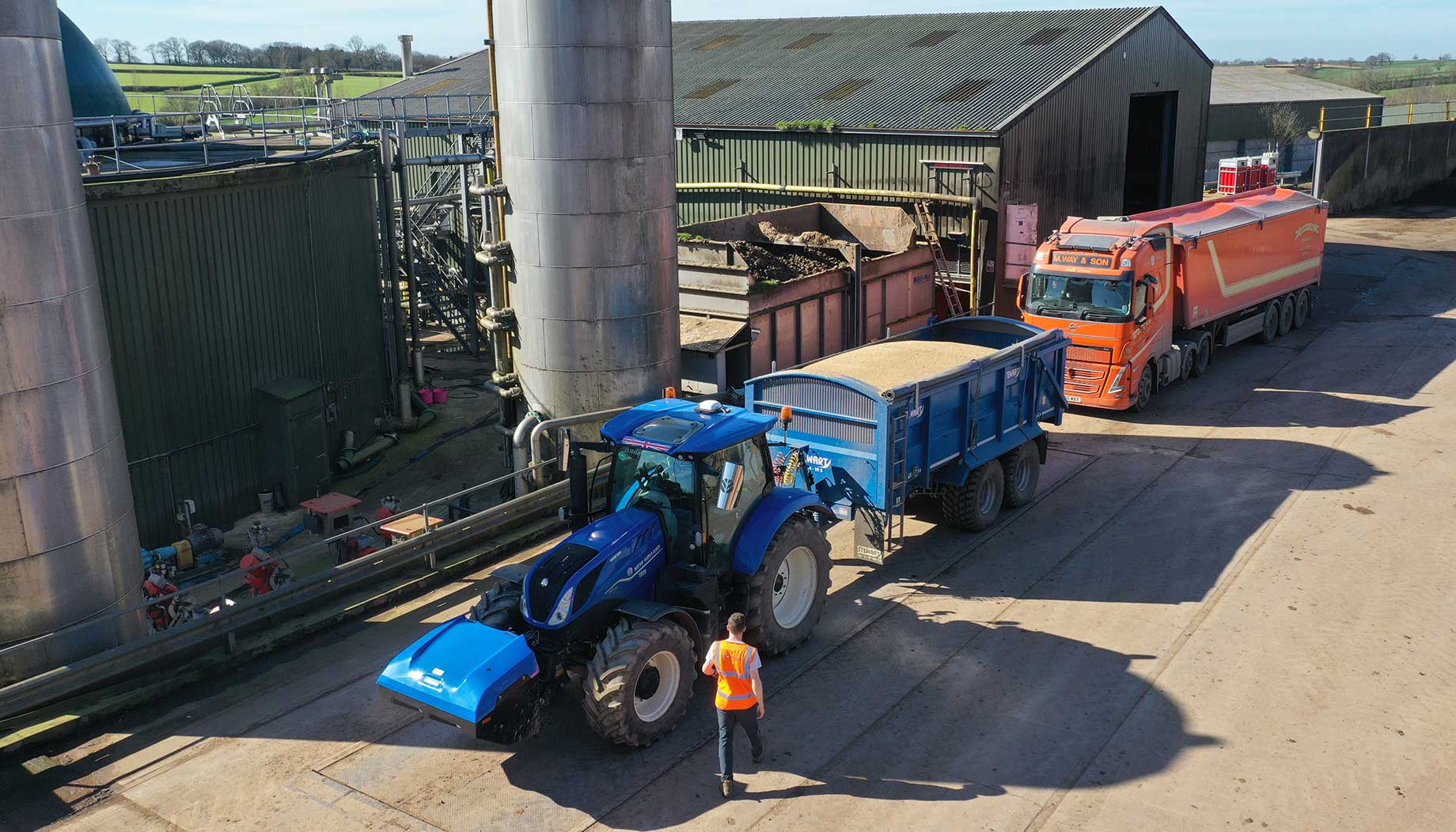
A Circular Future
Our mission at Bennamann is to support your transition to energy independence and financial security. By focusing our technology on upgrading biogas from waste streams into fuel-grade Bio-CNG, we help you tap into the highest-value RTFC brackets and the most sustainable profit pools.
If you’re an AD plant operator currently running CHP, and you’d like to discuss the revenue opportunities available through the production of Bio-CNG, please get in touch.
Meet The Bennamann Team | Bennamann
Picture credits: Kevin Milner. Taken at Menchine Farm, Tiverton